DVIA-ML Series
Active Control.Absolute Stillness.
90% vibration isolation at 1 Hz in 6 Degrees of Freedom. Engineered for electron microscopes that image at the nano scale.90% vibration isolation at 1 Hz in 6 Degrees of Freedom. Engineered for electron microscopes that image at the nano scale.
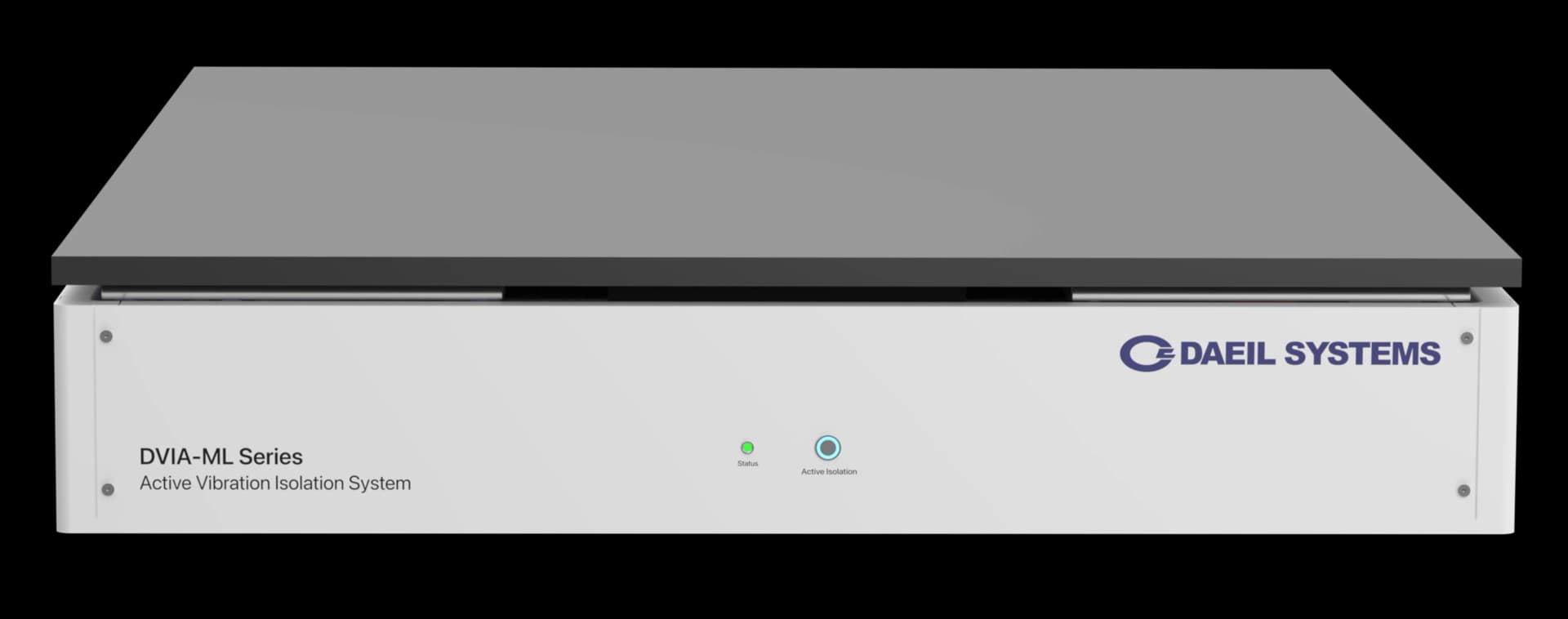
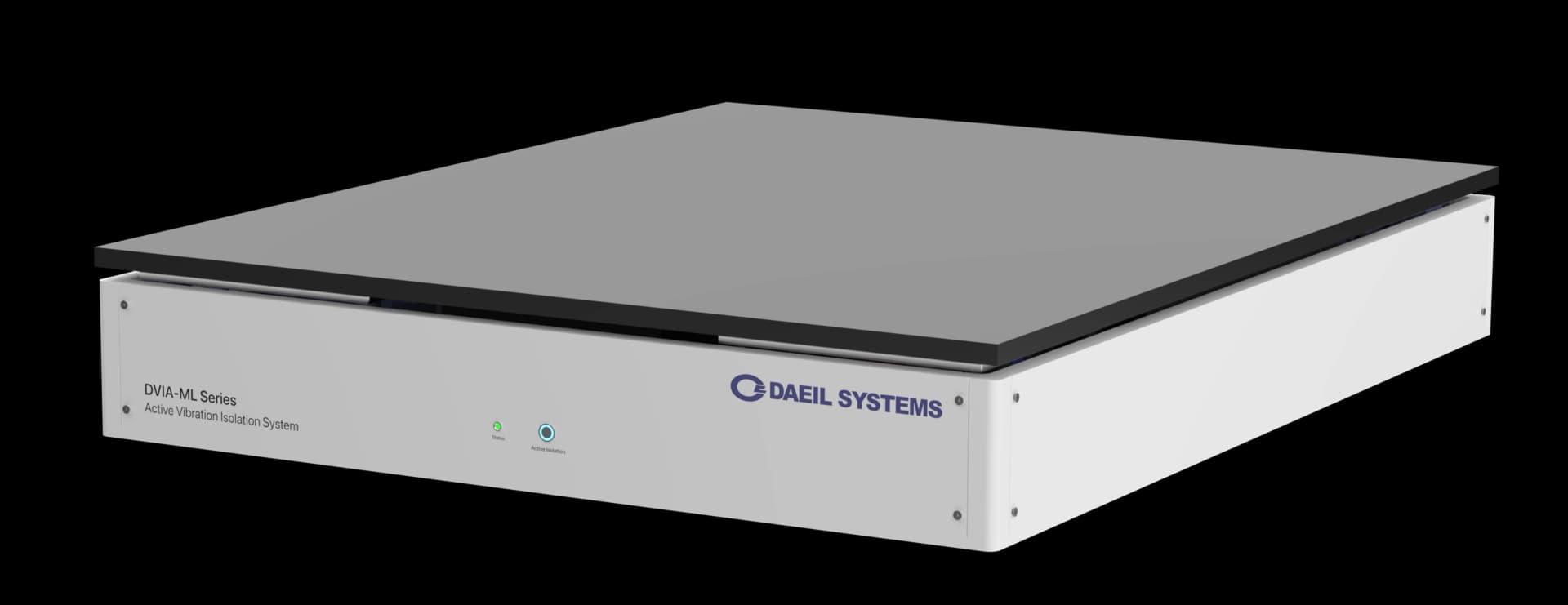
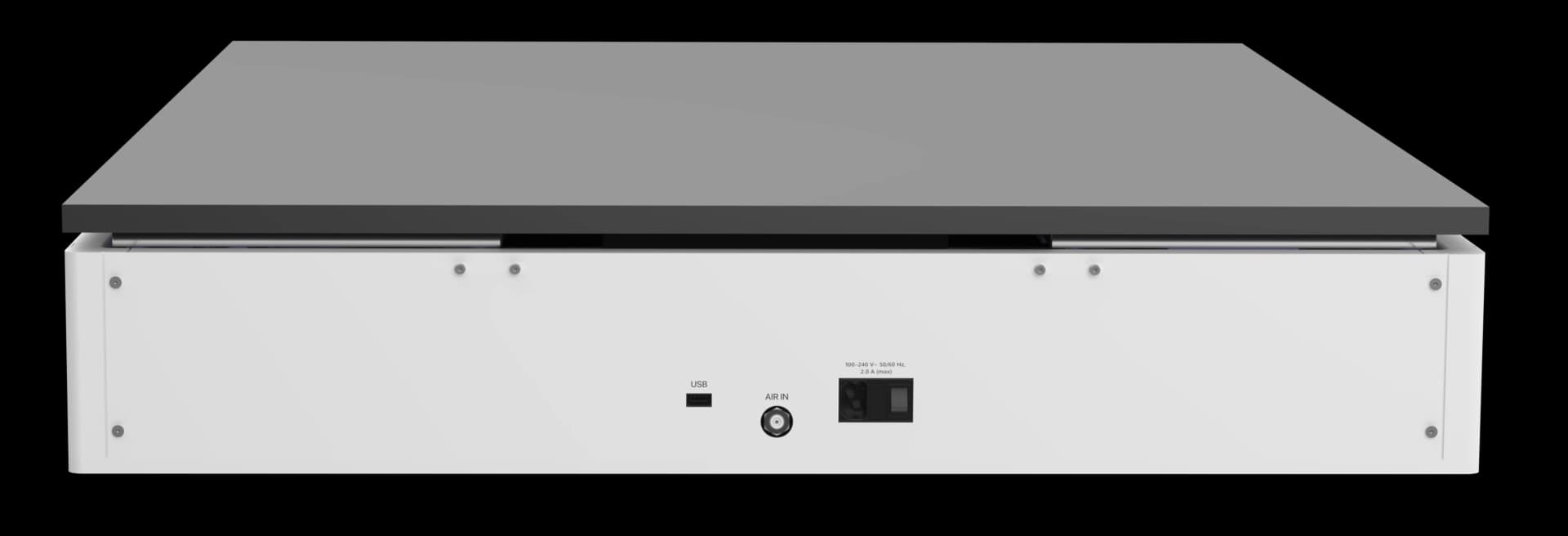
Your electron microscope deserves zero disturbance.
The DVIA-ML doesn't just reduce vibration. It eliminates it. Advanced sensors detect floor disturbances as low as 0.3 Hz. Adaptive algorithms respond in 0.5 ms. And electromagnetic actuators generate the exact opposing force so your imaging stays flawless, every time.The DVIA-ML doesn't just reduce vibration. It eliminates it. Advanced sensors detect floor disturbances as low as 0.3 Hz. Adaptive algorithms respond in 0.5 ms. And electromagnetic actuators generate the exact opposing force so your imaging stays flawless, every time.
Engineered for the world's most demanding instruments.Engineered for the world's
most demanding instruments.
The DVIA-ML series delivers VC-B to VC-G vibration criteria across all four supported metrology domains. Every application demands a different isolation strategy — the DVIA-ML series adapts to each.The DVIA-ML series delivers VC-B to VC-G vibration criteria across all four supported metrology domains.
Every application demands a different isolation strategy — the DVIA-ML series adapts to each.
SEM
Scanning Electron Microscopy
Nano-surface imaging without drift
Floor vibrations cause image drift and blur at magnifications above 50,000×. The DVIA-ML cancels disturbances from 0.5 Hz, keeping electron beams precisely on target for artifact-free SEM imaging.Floor vibrations cause image drift and blur at magnifications above 50,000×. The DVIA-ML cancels disturbances from 0.5 Hz, keeping electron beams precisely on target for artifact-free SEM imaging.
Supported Manufacturers
Thermo Fisher · ZEISS · JEOL · TESCAN · Hitachi · CIQTEK
TEM
Transmission Electron Microscopy
Atomic resolution. Zero mechanical noise
HRTEM and STEM modes demand sub-angstrom stability. Building vibrations — even imperceptible ones — destroy lattice fringe contrast. The DVIA-ML provides the mechanical silence these instruments require.HRTEM and STEM modes demand sub-angstrom stability. Building vibrations — even imperceptible ones — destroy lattice fringe contrast. The DVIA-ML provides the mechanical silence these instruments require.
Supported Manufacturers
Thermo Fisher · JEOL · Hitachi · TESCAN · CIQTEK
XRM
X-Ray Metrology
Precision diffraction. Clean peaks
X-ray diffraction, reflectometry, and fluorescence all require vibration-free sample positioning. The low-frequency vibrations broaden diffraction peaks and distort thin-film measurements. The DVIA-ML restores data integrity.X-ray diffraction, reflectometry, and fluorescence all require vibration-free sample positioning. The low-frequency vibrations broaden diffraction peaks and distort thin-film measurements. The DVIA-ML restores data integrity.
Supported Manufacturers
Bruker · ZEISS
EBL
Electron Beam Lithography
Precision lithography. Flawless patterns.
Electron beam lithography requires vibration-free sample positioning. Micro-vibrations cause beam drift, increasing line-edge roughness and distorting nanoscale patterns. The DVIA-ML ensures exact pattern transfer and patterning integrity.Electron beam lithography requires vibration-free sample positioning. Micro-vibrations cause beam drift, increasing line-edge roughness and distorting nanoscale patterns. The DVIA-ML ensures exact pattern transfer and patterning integrity.
Supported Manufacturers
Raith · JEOL
NMR
NMR Spectroscopy
Magnets protected. Spectra preserved
Superconducting magnets at 600–1200 MHz are hypersensitive to building vibrations. Floor motion degrades shim stability and spectral resolution. The DVIA-ML isolates the entire magnet assembly from floor vibration at all frequencies.Superconducting magnets at 600–1200 MHz are hypersensitive to building vibrations. Floor motion degrades shim stability and spectral resolution. The DVIA-ML isolates the entire magnet assembly from floor vibration at all frequencies.
Supported Manufacturers
Bruker · JEOL
DVIA-ML Installation Guide
Loading video...
Feedback corrects. Feedforward anticipates.
Feedback measures vibration on the isolated mass and counters it in real time. Feedforward reads the floor and cancels disturbances before they arrive. Together, they deliver exceptional low-frequency isolation. Your instruments operate as if the vibration doesn't exist.
 How it works
Passive Isolation (Spring & Damper):
Without active controls, the spring (k) and damper try to absorb shocks. However, at low frequencies, they can actually amplify the floor disturbance (d), causing the mass to resonate.
Feedforward Control:
Leverages ground sensor data to proactively command the actuators, nullifying floor vibrations before they reach the isolated mass.
Feedback Control:
Continuously measures the isolated mass's residual vibration (y) and uses the actuators to counteract it in real time.
Together, these advanced control mechanisms significantly enhance isolation performance, keeping the mass nearly perfectly still!
System Controls
Toggle to observe how feedback and feedforward mechanisms counteract low-frequency floor vibrations.
Floor Disturbance
Simulate low-frequency vibration
Feedforward Control
Proactive floor sensing
Feedback Control
Reactive mass correction
Outperforms. Everything.
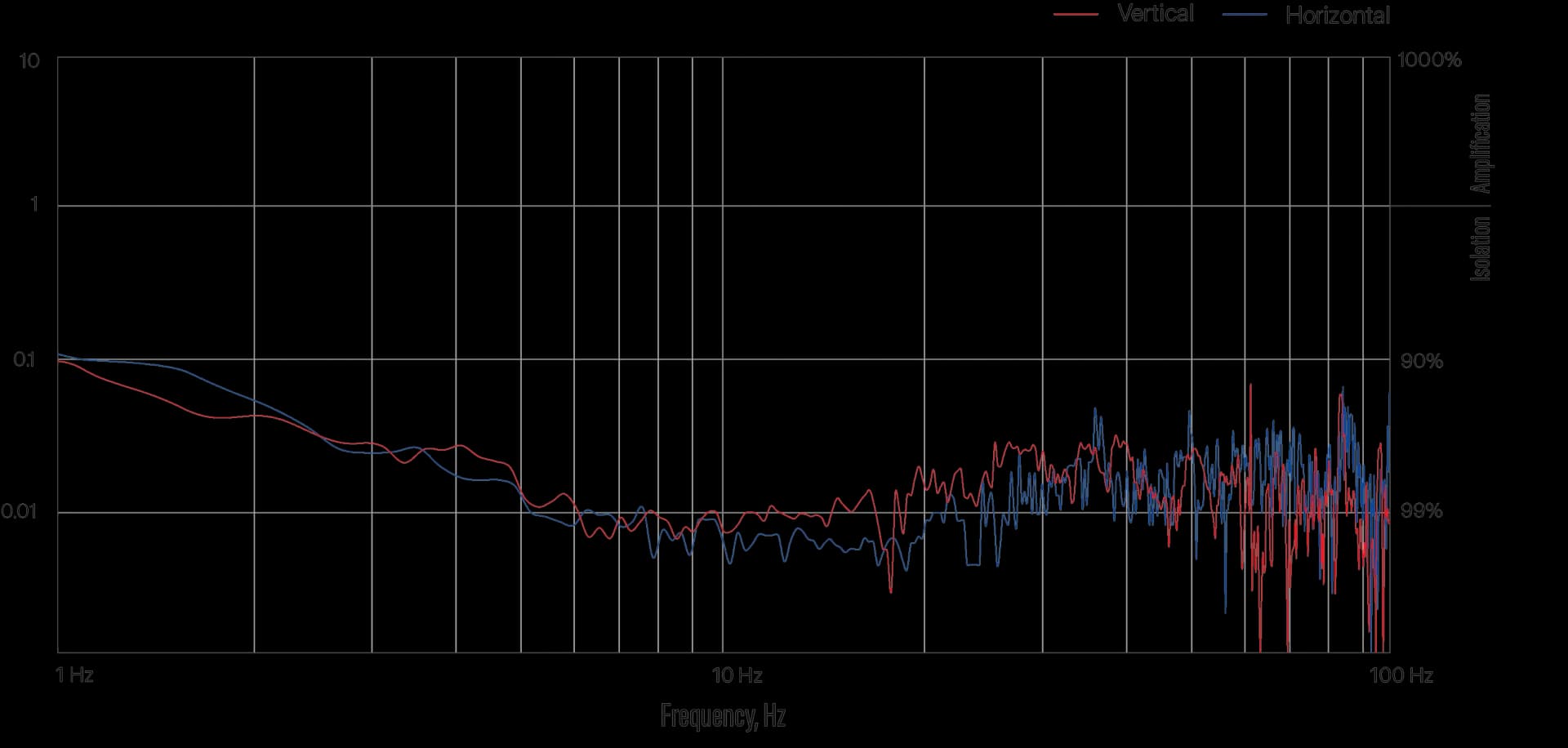
Isolation from 0.5 Hz.
User Interface. Monitor. Log. Verify data.User Interface.
Monitor. Log. Verify data.
The DVIA-ML UI displays real-time vibration levels, actuator response, and sensor output across all six axes. All data can be logged automatically. Review historical trends, export reports, or verify isolation performance at any time. No hidden processes. No black-box algorithms. Your facility team sees exactly what the system is doing, why it's responding, and how it's performing against specification.
Transmissibility Curve
Auto Spectrum
VC Curves
Sensors and Actuators
Your microscope. Your platform.
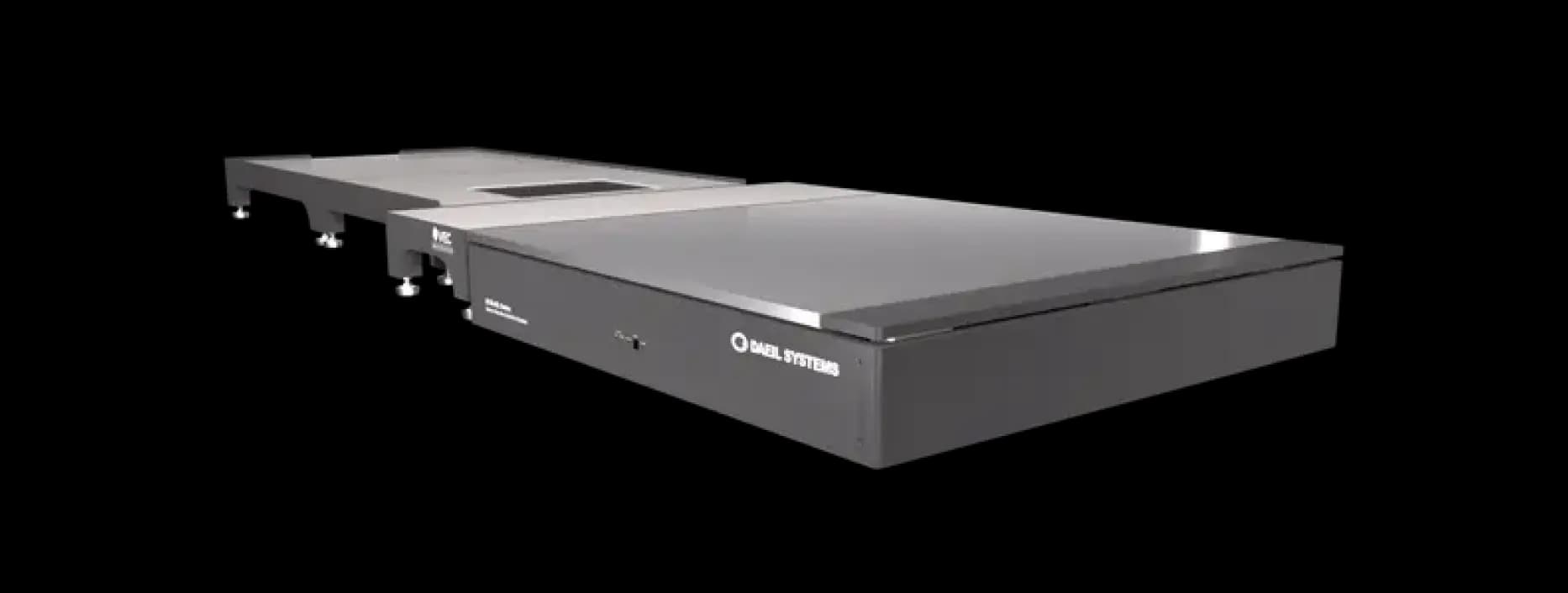
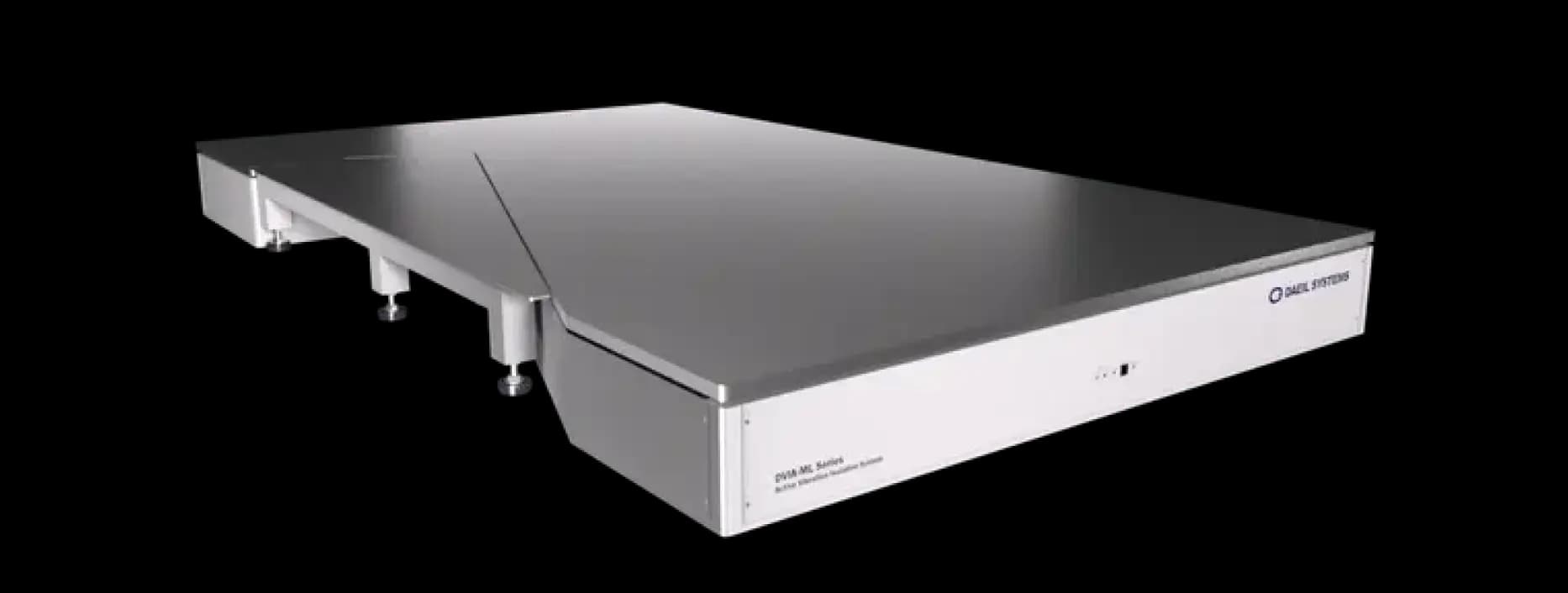
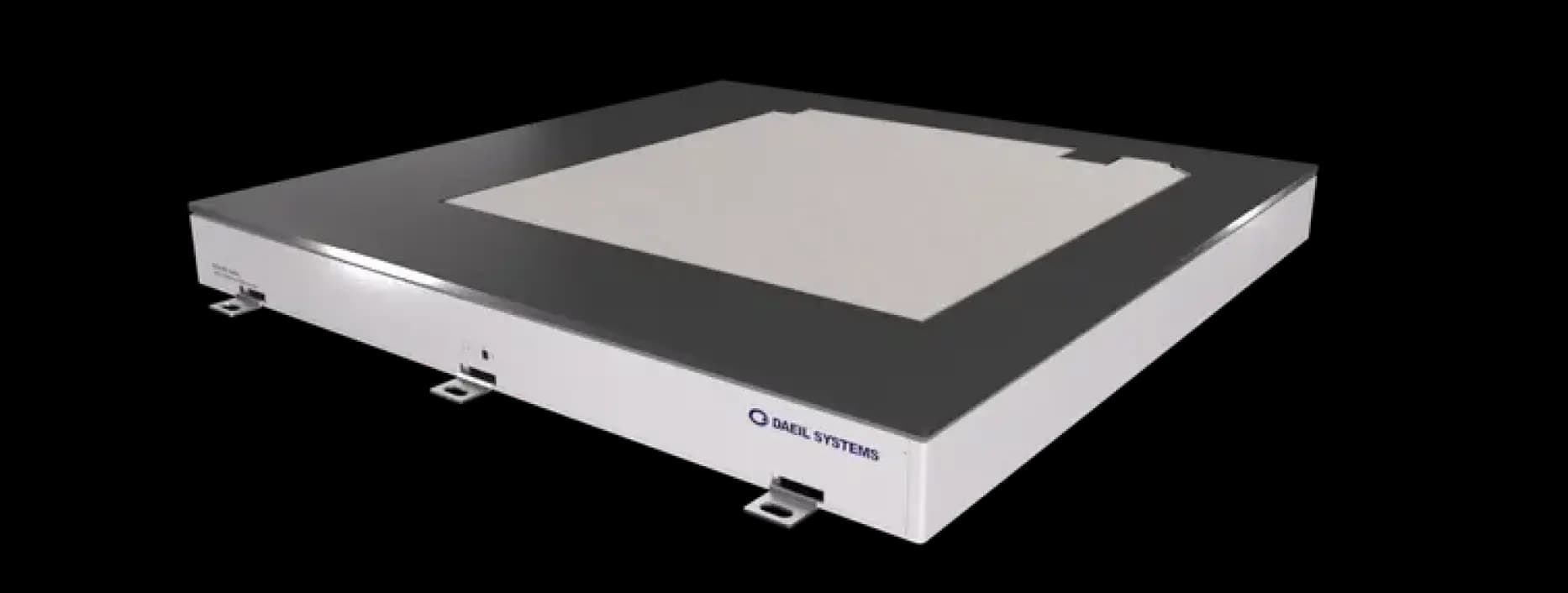
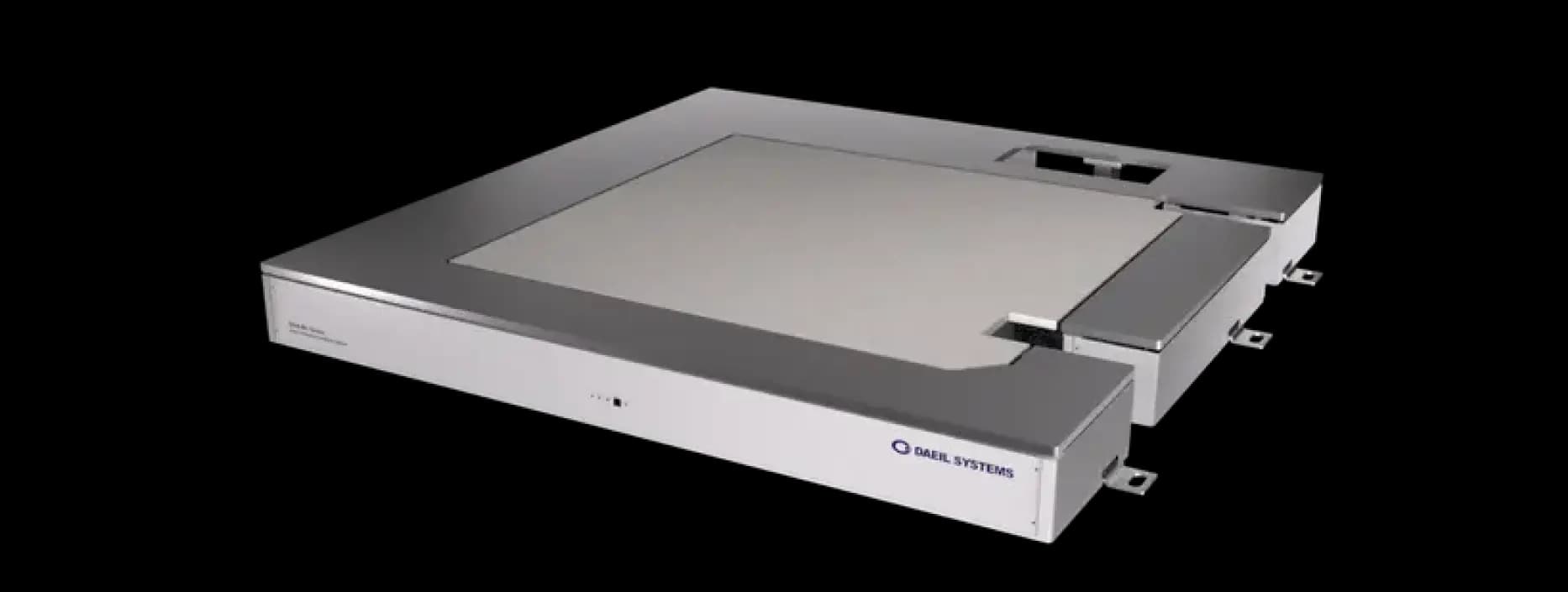
Every electron microscope is different. The DVIA-ML is engineered to match yours. We review your instrument specifications, floor conditions, and facility constraints. Dimensions, weight distribution, mounting interfaces, load paths, and cable routing are configured before manufacturing begins. No on-site modifications. No compromises to isolation performance.Every electron microscope is different. The DVIA-ML is engineered to match yours.
We review your instrument specifications, floor conditions, and facility constraints. Dimensions, weight distribution, mounting interfaces, load paths, and cable routing are configured before manufacturing begins. No on-site modifications. No compromises to isolation performance.
Glacios 2
Thermo Fisher Scientific
Tecnai TF20
Thermo Fisher Scientific
Krios G4
Thermo Fisher Scientific
Spectra
Thermo Fisher Scientific
Specifications
| Model | DVIA-ML1000 | DVIA-ML3000 | DVIA-ML6000 |
|---|---|---|---|
| Dimensions | Customizable | ||
| Maximum Load Capacity | 1500kg | 3000kg | 6000kg |
| Vibration Isolation Technology | Feedback and Feedforward Control | ||
| Degrees of Freedom | 6 (X, Y, Z, θx, θy, θz) | ||
| Active Isolation Bandwidth | 0.5 – 200 Hz | ||
| Vibration Isolation | 80 – 90% at 1 Hz | ||
| Actuator | Electromagnetic Actuator | ||
| Maximum Actuator Force | Vertical 40 N, Horizontal 20 N | Vertical 40 N, Horizontal 20 N | Vertical 80 N, Horizontal 40 N |
| Vibration Sensor | Geophone, Sensitivity: 2.55 V/in/s (100.4 V/m/s) ± 10% | ||
| Leveling Repeatability | Repeatability: ± 0.1 mm | ||
| Response Time | < 0.5 ms | ||
| Controller | Built-in | ||
| Environmental Protection | CE and TUV | ||
| Power Requirements | Line Voltage: 100 – 260V AC, Line Frequency: 50/60 Hz | Line Voltage: 100 – 260V AC, Line Frequency: 50/60 Hz | Line Voltage: 100 – 240V AC (Single-phase), Power: 100 W |
| Air Requirements | Air Pressure: 4 – 6 bar, Air Delivery: 10 L/min | Air Pressure: 4 – 6 bar, Air Delivery: 10 L/min | Air Pressure: 5 – 6 bar, Air Delivery: 250 L/min |
| Environmental Requirements | Temperature: 5 – 50 °C, Humidity: 20 – 90 % | ||
Case Studies
Proven in the field. Installed in the world's most advanced semiconductor, aerospace, and research facilities. Every system measured and verified on-site.Proven in the field. Installed in the world's most advanced semiconductor, aerospace, and research facilities.
Every system measured and verified on-site.
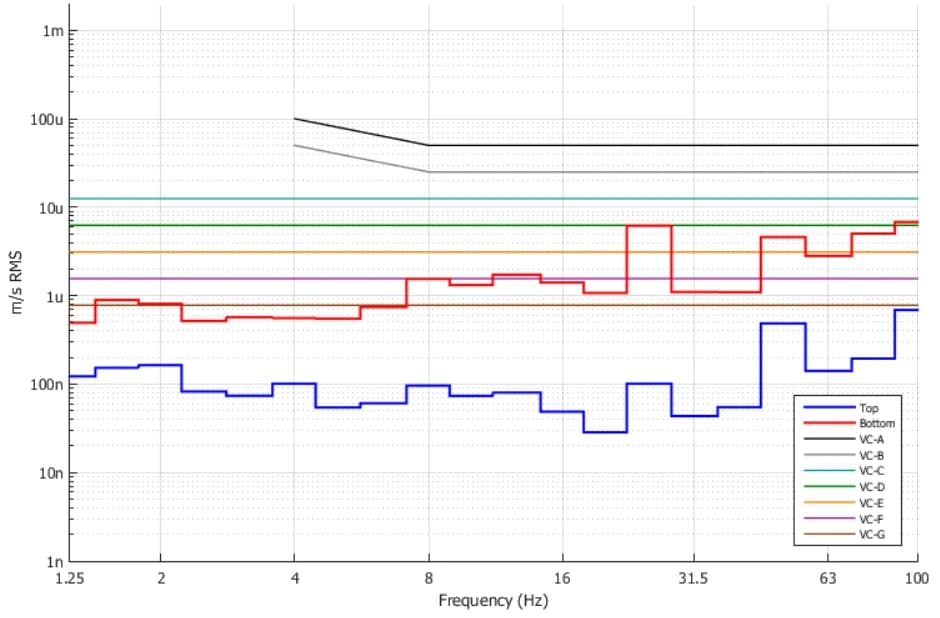
Quantum Photonics Research Laboratory attocube attoDRY1000/SU Cryostat DVIA-ML1000 Installation Report
DVIA-ML1000 installation report (serial 260725R2) for an attocube attoDRY1000/SU closed-cycle cryostat at Quantum Photonics Research Laboratory in Copenhagen, Denmark. Tuning was carried out on 2026.09.22, and vibration on the isolator top plate was verified against the customer VC-E requirement on all axes.
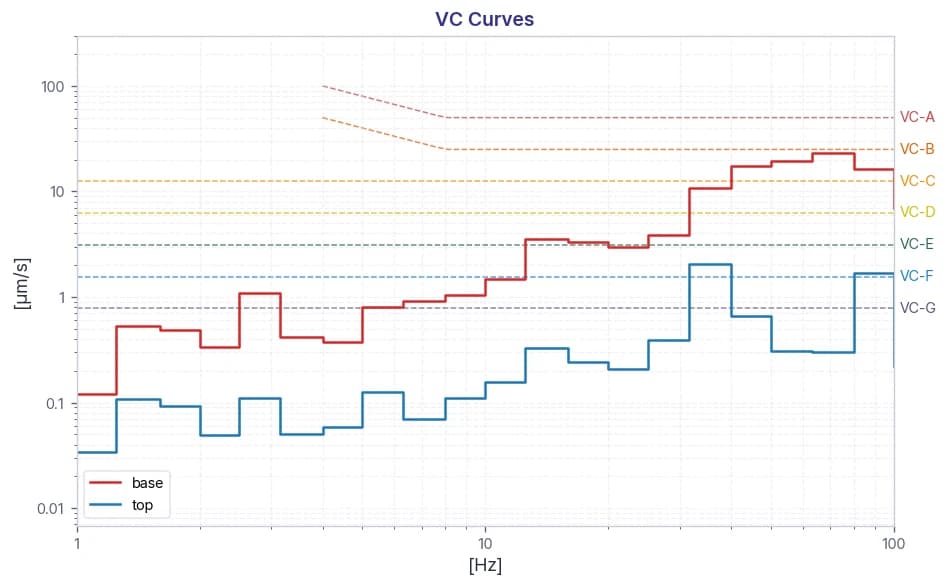
ASE Korea TESCAN FIB-SEM SOLARIS X2 GMH DVIA-ML1000 Installation Report
DVIA-ML1000 installation report (serial 260622R4) for a TESCAN FIB-SEM SOLARIS X2 GMH installed at ASE Korea PB1, 1CMD QO Lab, Electron Microscopy Room. Tuning was carried out on 2026.09.11 and vibration was measured with the equipment in the IDLE state. All three axes met the reference specification and achieved a PASS rating, with the vertical axis improving from VC-B to VC-E, the left-to-right axis from VC-E to VC-G, and the front-to-back axis from VC-B to VC-F.
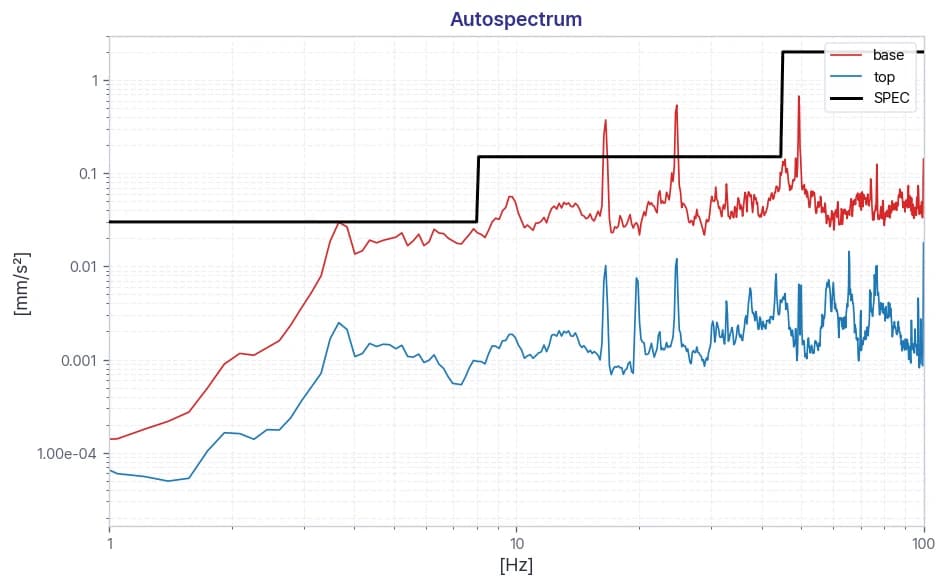
Resonac Electronic Materials ZEISS Sigma 360 FE-SEM DVIA-ML1000 Installation Report
ZEISS Sigma 360 FE-SEM DVIA-ML1000 installation report — the DVIA-ML1000 active vibration isolation platform was installed at Guangzhou for end user Resonac Electronic Materials, then re-tuned (2nd trial) and measured with the equipment Turned off. Against the Sigma 360 horizontal and vertical allowable vibration specification (mm/s² RMS, 1–100 Hz), the bare floor exceeded the limit on the vertical and front-to-back axes, while the DVIA-ML1000 platform passed on all three axes. The tuning request work order, the allowable vibration tables and the per-axis Autospectrum plots are published; no installation photographs were permitted at the site.
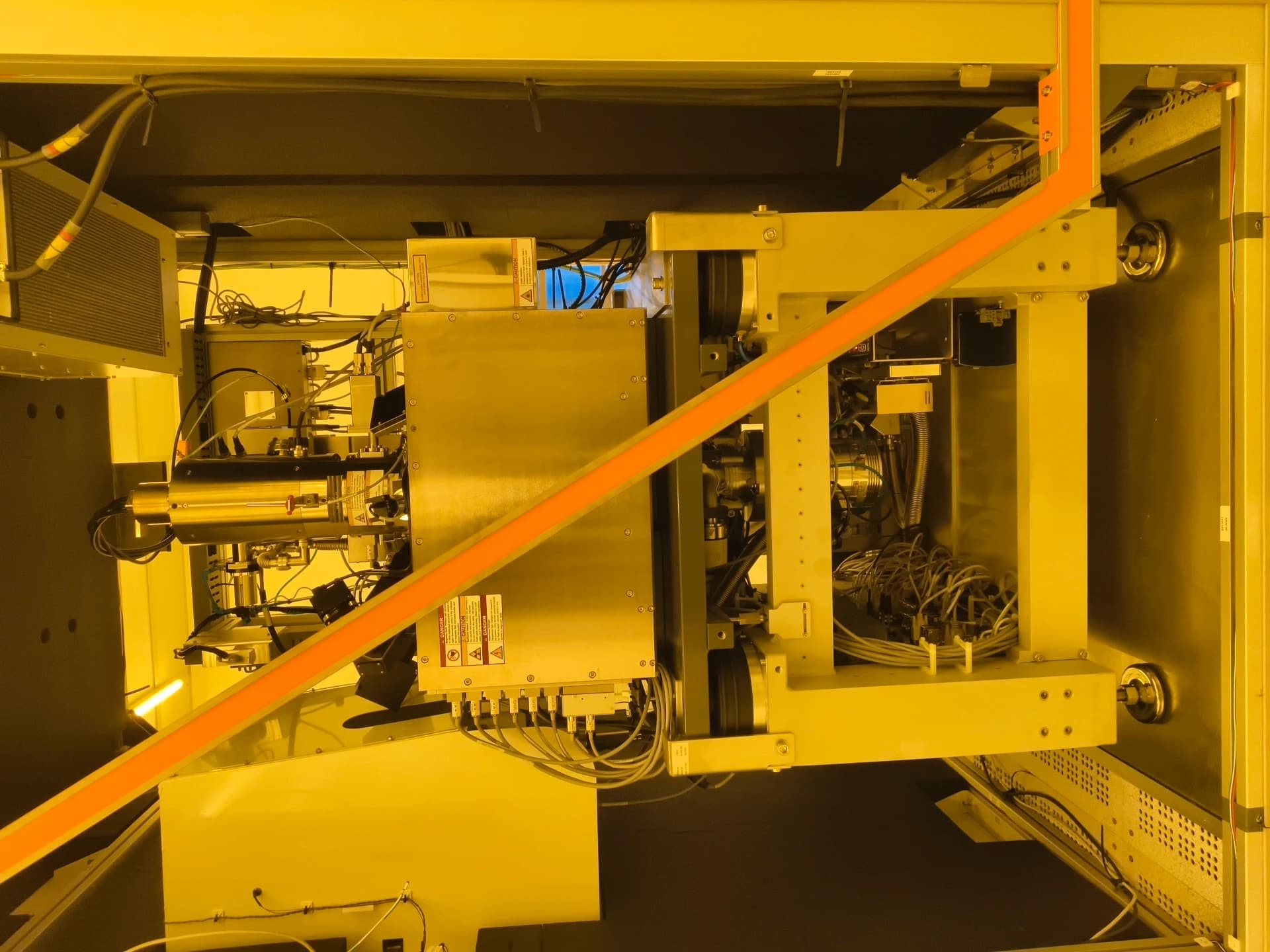
RAITH Voyager E-Beam DVIA-ML1000 Installation Report
DVIA-ML1000 installation report (serial 260422R1-1) for a RAITH Voyager E-Beam system in Suzhou, supplied for end user Dingxin Optoelectronics Technology. Tuning was performed on 2026.08.27 with the equipment idle; the Vertical and Front-to-Back axes met the vibration specification while the Left-to-Right axis remained out of compliance due to a resonance near 9 Hz.
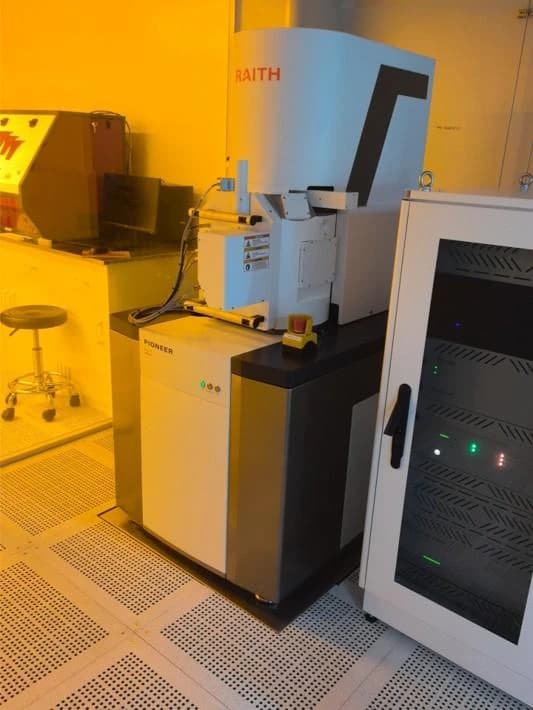
Hubei University of Technology RAITH Electron Beam Lithography Pioneer Two DVIA-ML1000 Installation Report
DVIA-ML1000 installation report (serial 260209R6) for a RAITH Electron Beam Lithography (Pioneer Two) installed at Hubei University of Technology, Wuhan. Tuning was carried out on 2026.08.25 and vibration was measured with the equipment in the Turned off state. The system provided effective attenuation across the frequency bands where meaningful floor vibration is present, and the site was confirmed suitable for equipment operation.
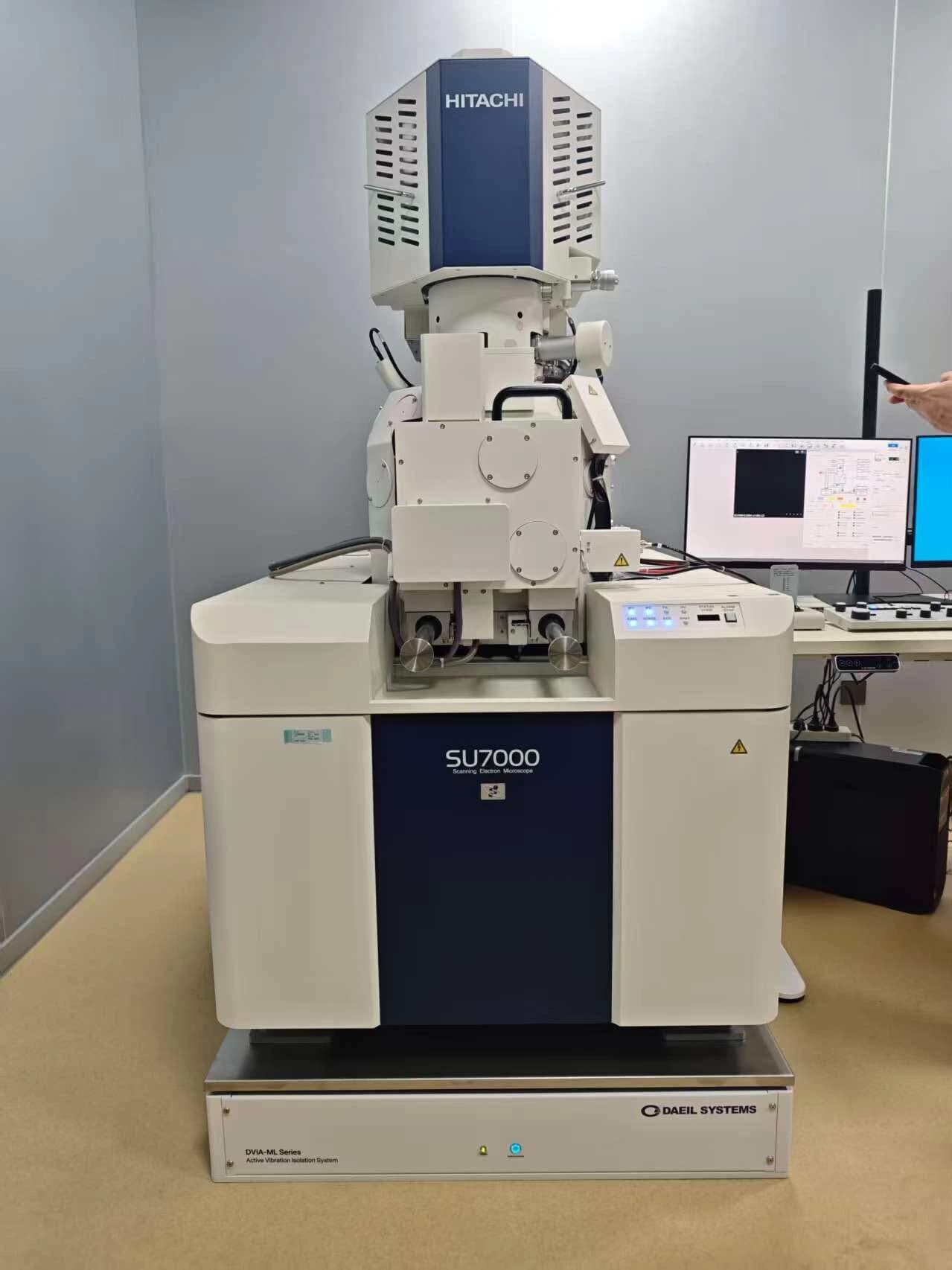
Fujian University of Technology Hitachi SU7000 SEM DVIA-ML1000 Installation Report
Hitachi High-Tech SU7000 SEM DVIA-ML1000 installation report — the DVIA-ML1000 active vibration isolation platform was installed at Fuzhou for end user Fujian University of Technology, then tuned and measured with the equipment in the IDLE state. Against the SU7000 horizontal and vertical allowable vibration specification (µm pk-pk, 1–10 Hz), the floor and the DVIA-ML1000 platform both passed on the vertical, left-to-right, and front-to-back axes. The tuning request work order, the allowable vibration tables, the per-axis Autospectrum plots and the installation photo are published.
Technical Notes
- Vibration Isolation for SEM and AFM: Requirements and Solutions
- Electron Microscope Room Requirements: Vibration, EMI, and Acoustics
- How Much Floor Vibration Can an SEM Tolerate?
- Electron Microscopes: How They Work and the Environment They Need
- Faraday Cage Limits in Precision Labs: When Shielding Isn't Enough
- Active vs. Passive Vibration Isolation: How to Choose