Active Control.Built for Thermo Fisher SEM
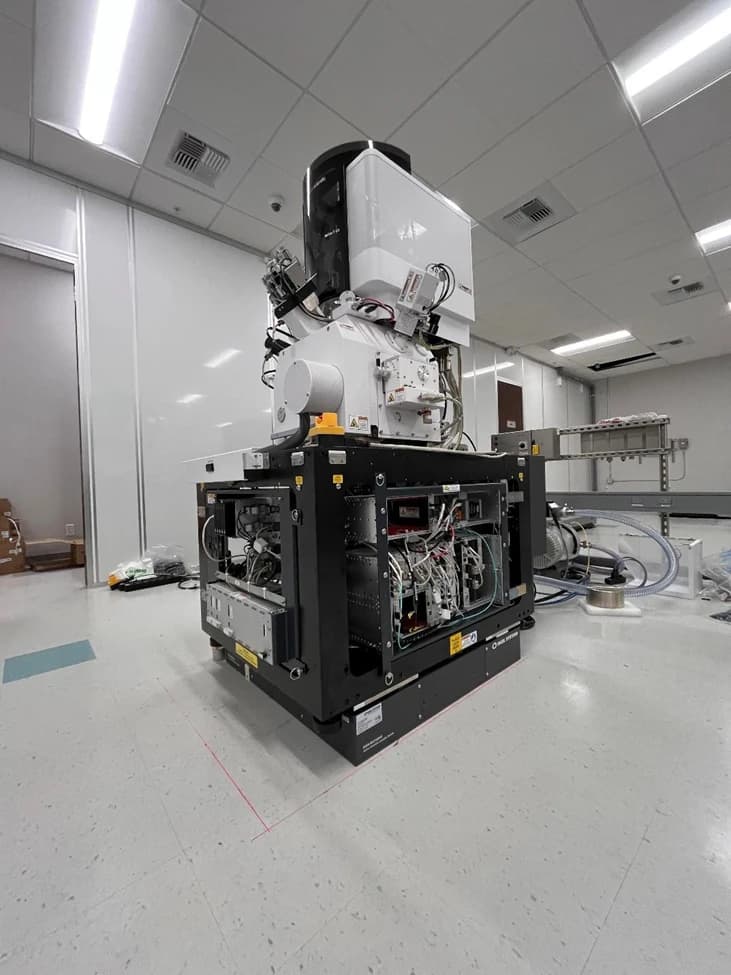
Custom-engineered for Thermo Fisher Scientific SEM
Custom-engineered for Thermo Fisher Scientific SEM
Designed for Thermo Fisher SEM
Compatible Thermo Fisher SEMs.
Model not listed? Custom configurations available. Talk to an engineer.
DVIA-MLP Installation Video
Loading video...
Precision Matched.
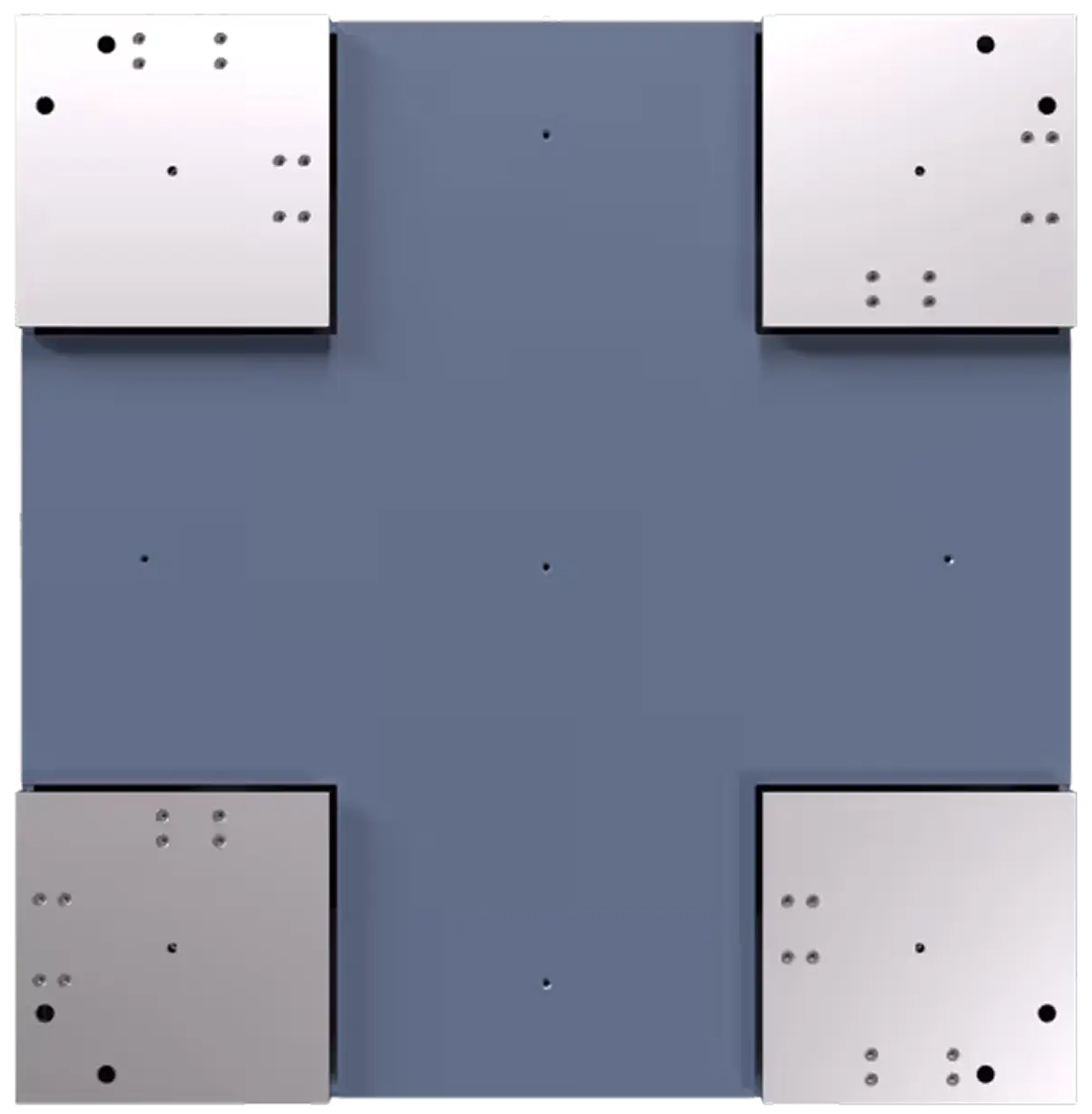
Custom-Bolted to Your SEM.
Four active isolators, each with through-holes matched to the base frame caster positions. No adapters. No shimming. Direct mechanical connection.
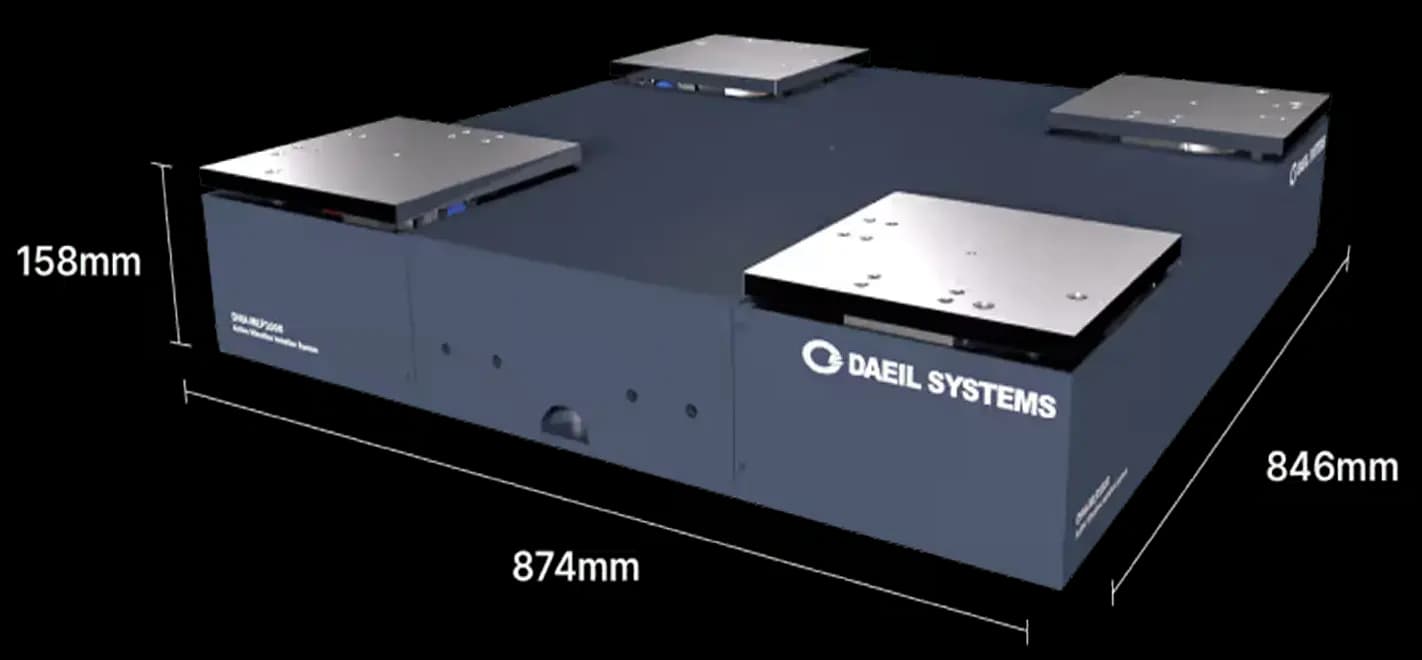
158 mm. Full Clearance.
874 x 846 x 158 mm. Designed to fit inside existing enclosures without modification. The SEM sits directly on the platform. Original operator ergonomics preserved.
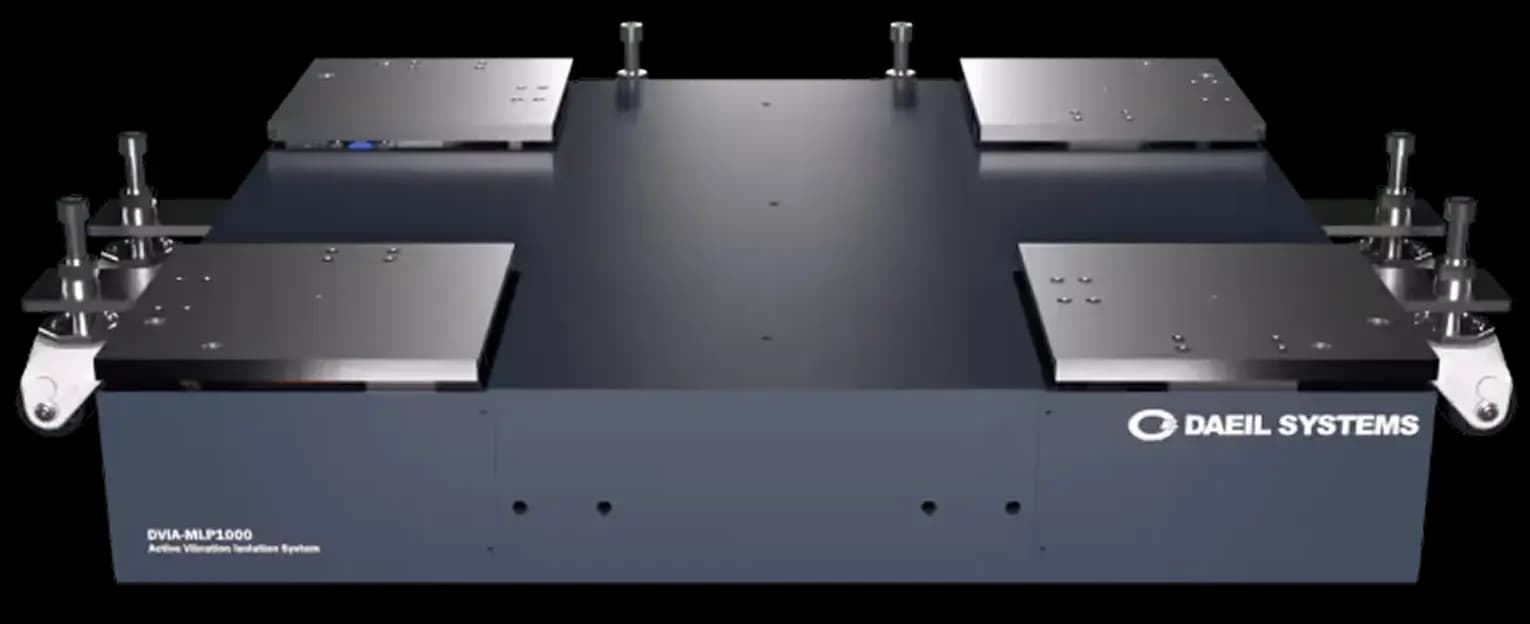
Side-Push Installation.
Roll the SEM onto the platform from any side. Attach casters, position, remove, level. No crane. No lifting. Faster setup, lower cost, zero risk to the instrument.
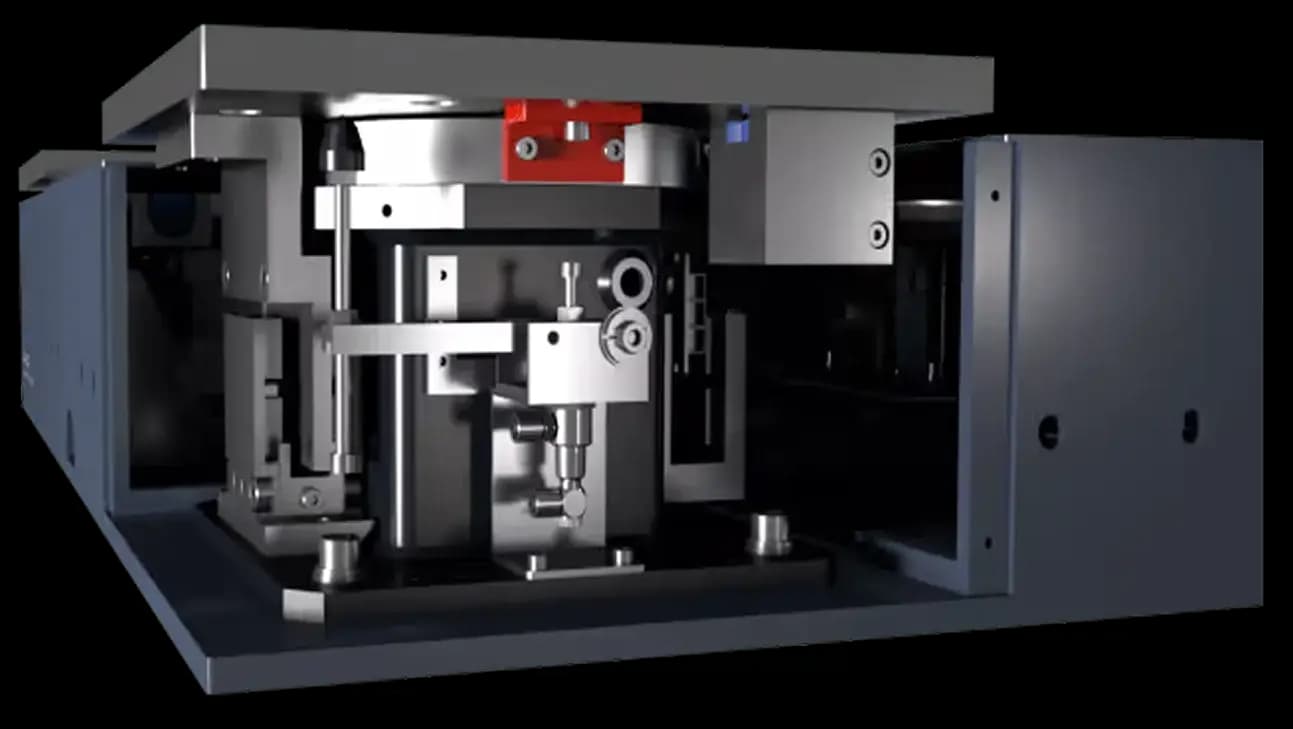
Pneumatic Spring. Better Performance.
Combines pneumatic springs with active control algorithms to eliminate low-frequency vibrations, protecting sensitive Thermo Fisher SEMs.
Feedback corrects. Feedforward anticipates.
Feedback measures vibration on the isolated mass and counters it in real time. Feedforward reads the floor and cancels disturbances before they arrive. Together, they deliver exceptional low-frequency isolation. Your instruments operate as if the vibration doesn't exist.
 How it works
Passive Isolation (Spring & Damper):
Without active controls, the spring (k) and damper try to absorb shocks. However, at low frequencies, they can actually amplify the floor disturbance (d), causing the mass to resonate.
Feedforward Control:
Leverages ground sensor data to proactively command the actuators, nullifying floor vibrations before they reach the isolated mass.
Feedback Control:
Continuously measures the isolated mass's residual vibration (y) and uses the actuators to counteract it in real time.
Together, these advanced control mechanisms significantly enhance isolation performance, keeping the mass nearly perfectly still!
System Controls
Floor Disturbance
Simulate low-frequency vibration
Feedforward Control
Proactive floor sensing
Feedback Control
Reactive mass correction
Every detail. One purpose.
Stage 1: Raw Input
Extremely subtle micro-vibrations are captured by the sensors. Due to their low amplitude, they are easily lost amidst ambient noise.
Stage 2: Hardware Amp
The DVIA-MLP1000 unit applies analog gain to boost the entire signal. Both the desired low-frequency wave and the high-frequency noise are amplified.
Stage 3: Software Filter
Advanced proprietary DSP algorithms clean the amplified signal, stripping away noise to isolate pure vibrations down to 0.3 Hz.
Detection from 0.3 Hz.
A hardware amplifier boosts low-frequency gain.
A digital filter refines the signal. Together, they extend
accurate detection and isolation down to 0.3 Hz.
Responds before you notice.
A floating-point DSP delivering 1800 MFLOPS
processes vibration data in real time.
Response time: 0.5 ms. By the time vibrations reach
your microscope, it's already been cancelled.
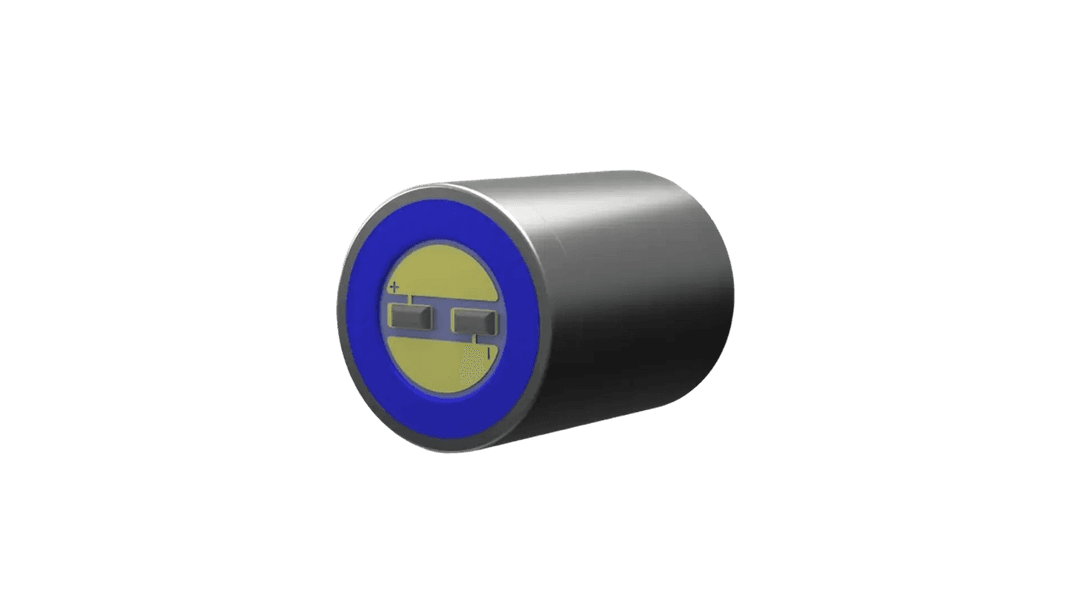
Detects the imperceptible.
11 Geophone velocity sensors with 2.55 V/in/s sensitivity and just 0.15% distortion. They capture low frequency vibrations other systems miss entirely so the DVIA-ULF can cancel what it can't ignore.
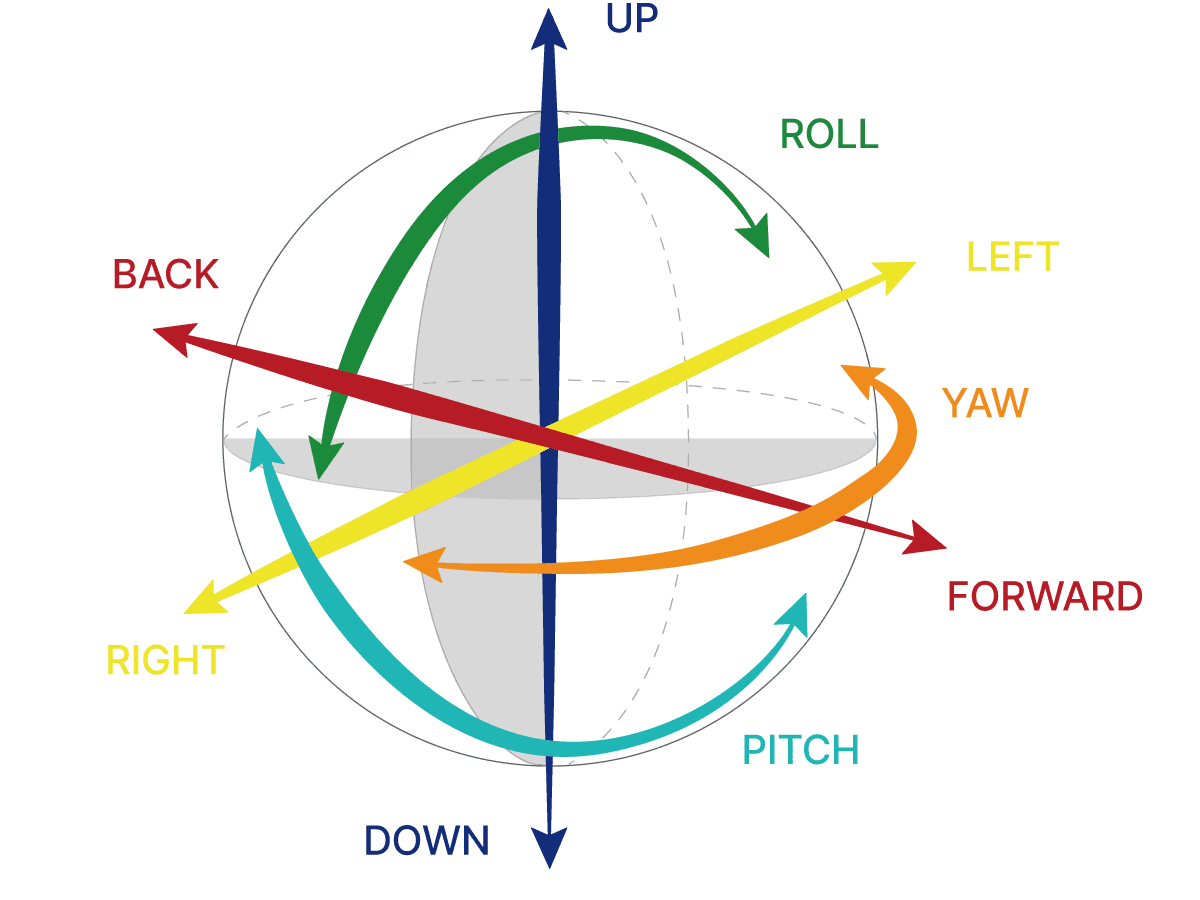
Six axes. Zero compromise.
The DVIA-MLP1000 controls all six degrees of freedom independently. Its algorithm decouples each axis, eliminating cross-coupling. Sub-micron translational and sub-microradian angular stability, maintained simultaneously.
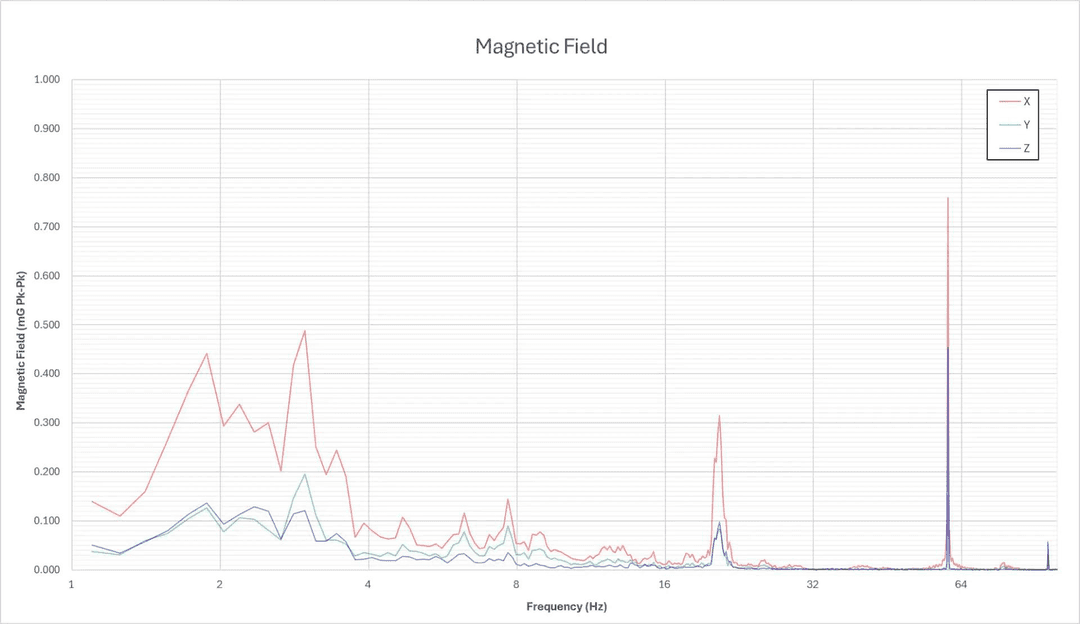
Magnetically silent.
Less than 0.05 μT magnetic field. Electron beams are sensitive to the smallest magnetic interference. The DVIA-ULF is engineered to be magnetically silent — your beam stays true, your images stay sharp.
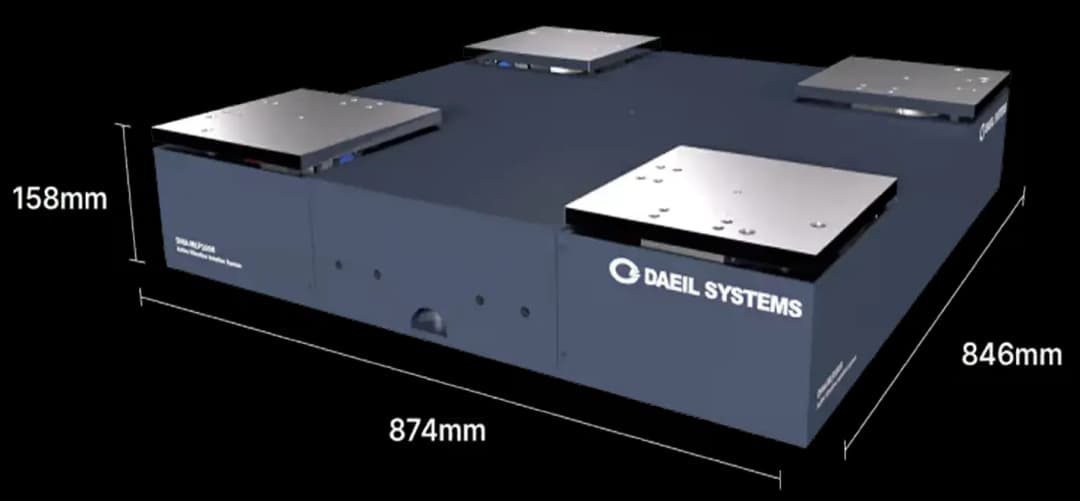
158 mm. Full performance, minimal footprint.
874 x 846 x 158 mm. Fits inside existing enclosures without modification. Your tallest SEMs get full clearance — original operator ergonomics preserved.
User Interface. Monitor. Log. Verify data.
The DVIA-MLP1000 UI displays real-time vibration levels, actuator response, and sensor output across all six axes. All data can be logged automatically. Review historical trends, export reports, or verify isolation performance at any time. No hidden processes. No black-box algorithms. Your facility team sees exactly what the system is doing, why it's responding, and how it's performing against specification.
Transmissibility Curve
Auto Spectrum
VC Curves
Sensors & Actuators
Specifications
Case Studies
Proven in the field. Installed in the world's most advanced semiconductor, aerospace, and research facilities. Every system measured and verified on-site.
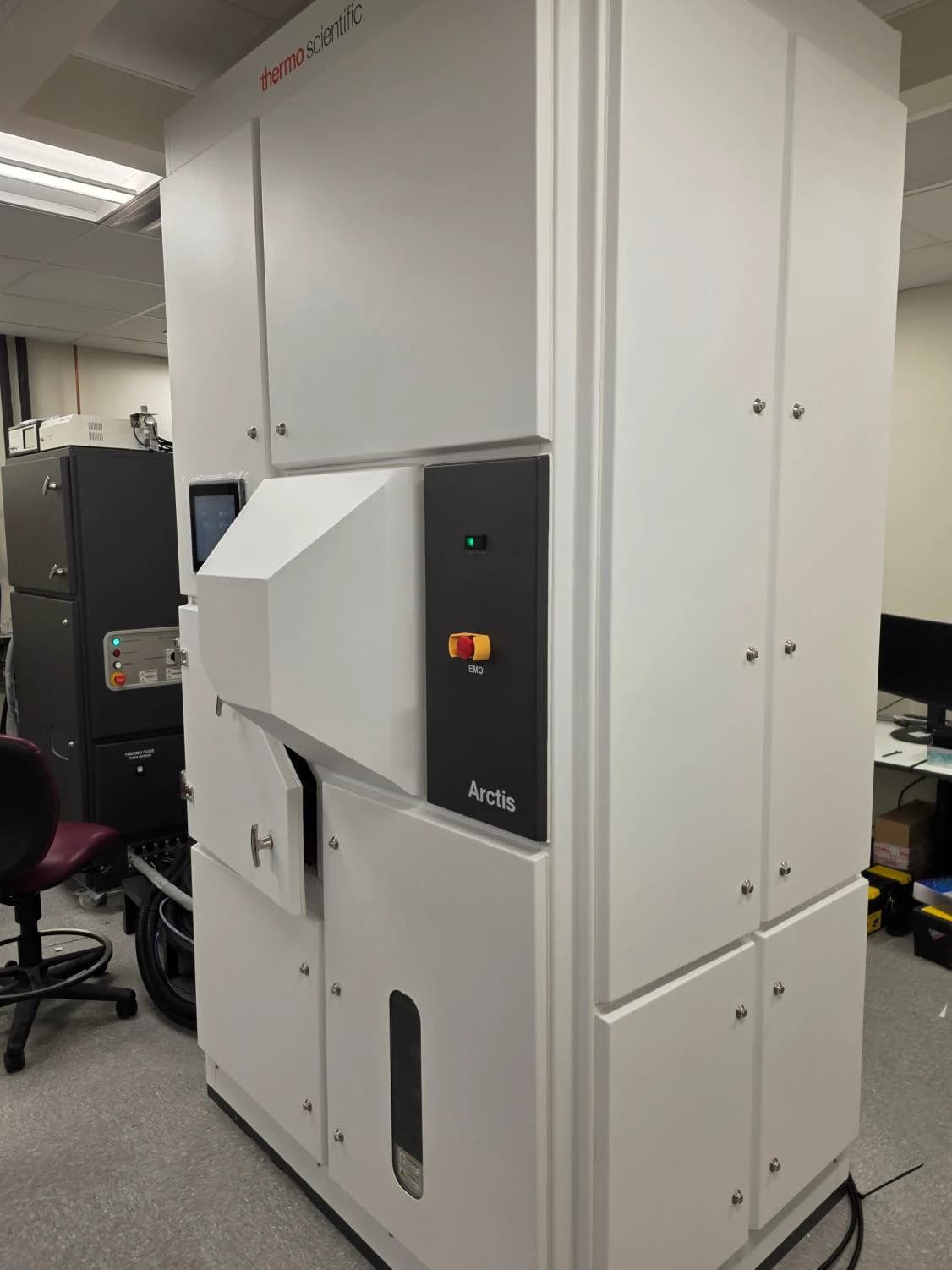
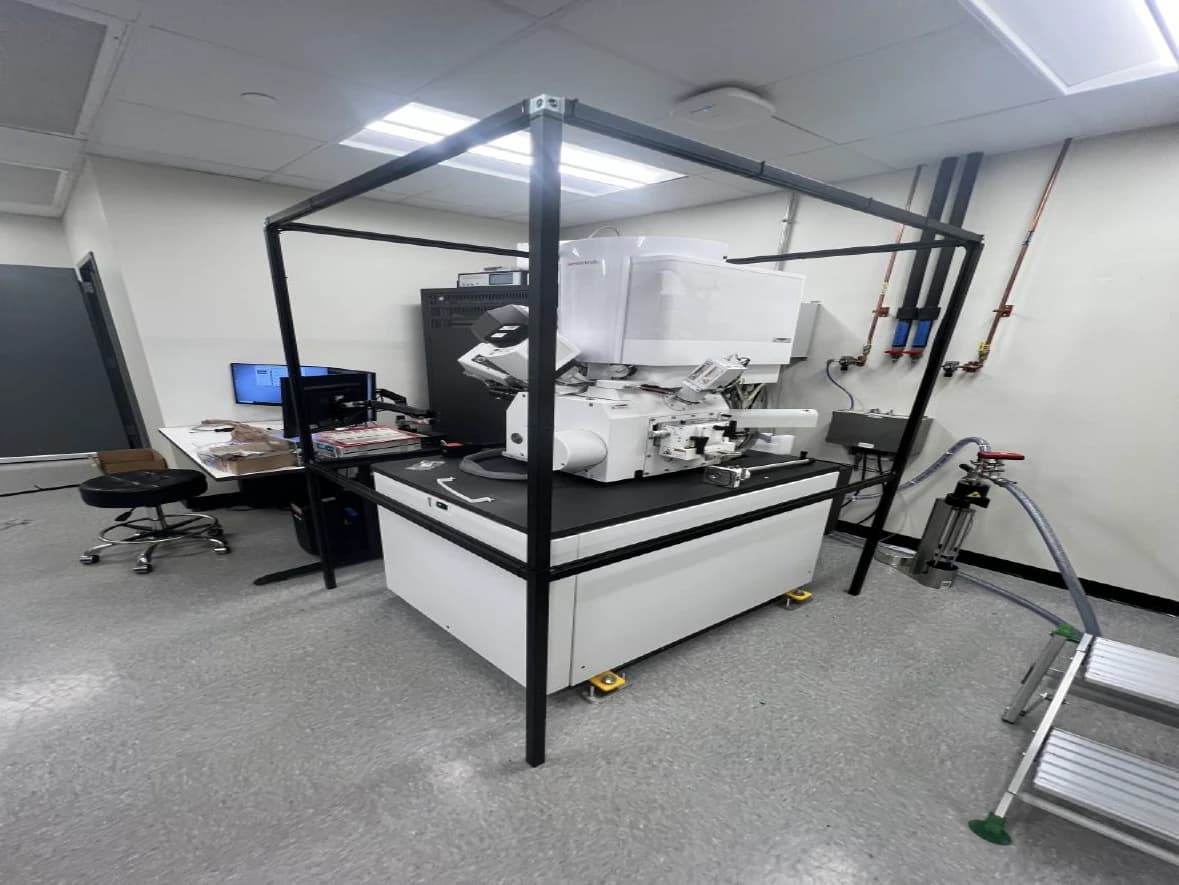
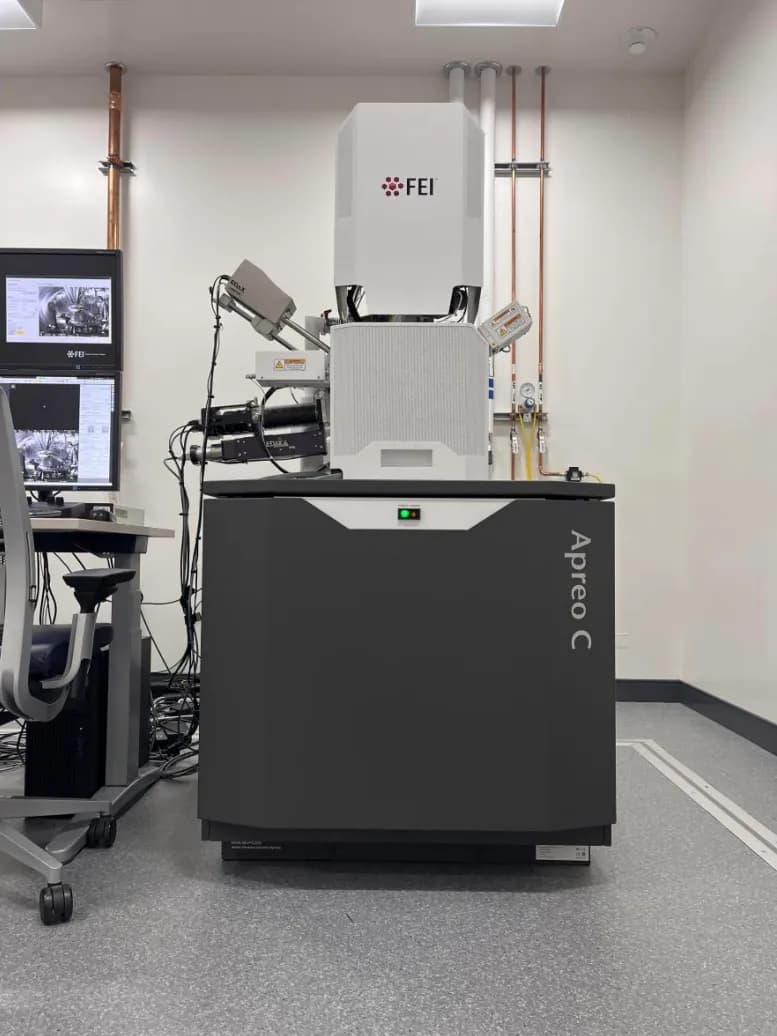
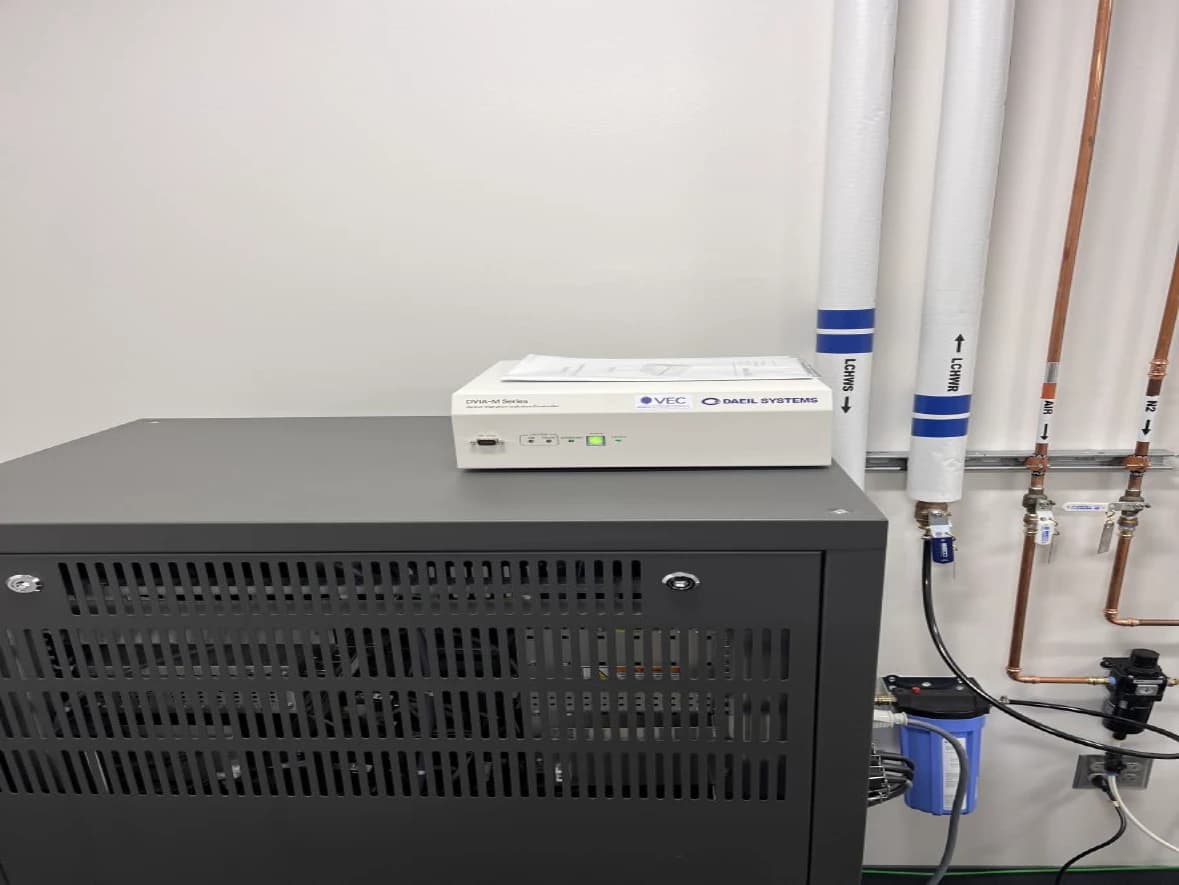
What does your instrument require?What does your instrument require?
Tell us your microscope model and facility conditions. We'll engineer the configuration.Tell us your microscope model and facility conditions. We'll engineer the configuration.